1. Background to the Study
Self-concept refers to the set of perceptions, beliefs, and evaluations individuals hold about themselves, including their abilities, values, and social roles
| [61] | Sari, D. K., Rachmawati, K. A., Suhita, B. M., Kusumawardani, L., & Saifulah, D. (2023). The Influence of Social Media Addiction on Adolescent Self-Concept. Journal Of Nursing Practice, 7 (1), 39-44. https://doi.org/10.30994/jnp.v7i1.330 |
[61]
. Even in the context of the more traditional societies, self-concept is a central construct in counselling, psychology and sociology studies because it shapes how people interpret experiences, relate to others, and regulate their behaviour
| [70] | Wango, G. M. (2015). Counselling Psychology in Kenya: A Contemporary Review of the Developing World. Nairobi: Kenya Literature Bureau. |
[70]
. A positive and coherent self-concept is strongly associated with psychological well-being and resilience, while a fragmented or negative self-concept is often linked to reduced self-esteem and mental health difficulties
| [59] | Sametoğlu, S., Pelt, D. H., & Bartels, M. (2025). The association between frequency of social media use, wellbeing, and depressive symptoms: disentangling genetic and environmental factors. Behavior Genetics, 1 (15) 255-269.
https://doi.org/10.1007/s10519-025-10205-1 |
| [61] | Sari, D. K., Rachmawati, K. A., Suhita, B. M., Kusumawardani, L., & Saifulah, D. (2023). The Influence of Social Media Addiction on Adolescent Self-Concept. Journal Of Nursing Practice, 7 (1), 39-44. https://doi.org/10.30994/jnp.v7i1.330 |
[59, 61]
. Information and communication technological advances have made the Internet a powerful tool for interaction and connection
| [61] | Sari, D. K., Rachmawati, K. A., Suhita, B. M., Kusumawardani, L., & Saifulah, D. (2023). The Influence of Social Media Addiction on Adolescent Self-Concept. Journal Of Nursing Practice, 7 (1), 39-44. https://doi.org/10.30994/jnp.v7i1.330 |
[61]
with intrapersonal and interpersonal implications
| [27] | Gackenbach, J. (Eds.). (1998). Psychology and the Internet: Intrapersonal, Interpersonal, and Transpersonal Implications. Academic Press. |
[27]
. Social media, in particular, has become one of the most influential developments, with platforms like TikTok, Twitter, Instagram, Telegram, Skype, WhatsApp, Snapchat and Facebook changing how people connect and interact in every day-to-day activity
. The Internet through the social media has made it easier to share information including communication, networking, education, entertainment, relationship, business, marketing, and raising awareness on social, political, and global issues
| [26] | Edosomwan, S., Prakasan, S. K., Kouame, D., Watson, J., & Seymour, T. (2011). The history of social media and its impact on business. The Journal of Applied Management and Entrepreneurship, 16 (3), 79-91. |
| [31] | Hern, A. (2022, October 23). How TikTok’s algorithm made it a success: 'It pushes the boundaries'. The Guardian. The Guardian. https://www.theguardian.com/technology/2022/oct/23/tiktok-rise-algorithm-popularity |
| [39] | Kraut, R., Patterson, M., Lundmark, V., Kiesler, S., Mukopadhyay, T. & Scherlis, W. (1998). Internet Paradox: A Social Technology That Reduces Social Involvement and Psychological Well-Being? American Psychologist, 53 (9), 1017-1031.
https://doi.org/10.1037/0003-066X.53.9.1017 |
[26, 31, 39]
.
Conversely, social media also has certain disadvantages, such as spreading false information, which has adverse effects on mental health well-being, and often at times promotes unrealistic ideas of success and beauty
| [30] | Hassan, K., & Afzal, S. (2022). Social-media usage, self-esteem and self-concept in young adults. International Journal of Business and Economic Affairs, 7 (1), 1-9.
https://doi.org/10.24088/IJBEA-2022-71001 |
| [61] | Sari, D. K., Rachmawati, K. A., Suhita, B. M., Kusumawardani, L., & Saifulah, D. (2023). The Influence of Social Media Addiction on Adolescent Self-Concept. Journal Of Nursing Practice, 7 (1), 39-44. https://doi.org/10.30994/jnp.v7i1.330 |
[30, 61]
. Misinformation is singled out as one of the major defining challenges of the Internet and social media
| [63] | Schutt, R. K. (2022). Investigating the social world: The process and practice of research (10th ed.). Sage Publications. |
| [64] | Skipper, Y. (2025). ‘I'd Probably Scroll by’: An Exploration of Young People's Views on Spotting and Stopping Misinformation. Children & Society, 39 (5), 940-949.
https://doi.org/10.1111/chso.12817 |
[63, 64]
. Yet, social media plays a critical role in how people manage several aspects of our lives, including our self-concept in the face of threats to their self-definition. According to Wild and Blanchar
, individuals in the United States often use social media to boost their self-esteem, particularly when their self-image is under threat. They suggest that when people perceive their self-worth as being challenged, such as when they compare themselves unfavourably to others, they may engage in symbolic self-completion by sharing content that reflects their ideal self. This strategy helps to affirm their self-worth by projecting a desired identity to others online. Social media’s ability to curate one’s public persona provides a distinct advantage over face-to-face interactions, offering more control over how one is perceived. This research investigates the effects of social media on self-concept.
The Internet including the overall use of social media pervades all facets of our lives including our intrapersonal and interpersonal relationships
| [11] | Barak, A. (Ed). (2008). Psychological Aspects of Cyberspace: Theory, Research, Applications. Cambridge University Press.
https://doi.org/10.1017/CBO9780511813740 |
| [27] | Gackenbach, J. (Eds.). (1998). Psychology and the Internet: Intrapersonal, Interpersonal, and Transpersonal Implications. Academic Press. |
| [33] | Joinson, A. N. (2003). Understanding the psychology of Internet behaviour: Virtual worlds, real lives. Palgrave Macmillan. |
[11, 27, 33]
. Even in low-and-middle income countries (LMICs), the Internet is used in almost all spheres including health, education, money and finance to advance effective and timely communication and other services. The influence of social comparison is highly dynamic and significant
| [33] | Joinson, A. N. (2003). Understanding the psychology of Internet behaviour: Virtual worlds, real lives. Palgrave Macmillan. |
[33]
. Users who encounter others they perceive as superior might feel their self-esteem is compromised and thus attempt to enhance their own image by posting content that showcases their strengths
. However, the outcomes of this behaviour are mixed: sometimes, individuals might avoid content related to their goals when feeling threatened, whereas at other times, they actively share content that supports their self-image. Wild and Blanchar
emphasize that social media platforms serve as a tool for managing self-concept and suggest that further research should explore additional social media activities, such as commenting and liking, to gain deeper insights on how such platforms influence self-identity.
Research shows that social media utility has a notable influence on the self-concept and mental health of young people
| [1] | Abadali, K. R., Asatsa, S., & Ntaragwe, M. (2021). Adolescents' social networking and self-concept in public mixed day secondary schools in Kajiado North Sub-County, Kenya. International Journal of Research and Innovation in Social Science (IJRISS), 5 (7), 841-847.
https://doi.org/10.47772/IJRISS.2021.5745 |
| [2] | Alhajjaj, H. A., Shredam, A. M., Al-halalat, K. I., & Tarawneh, H. H. (2025). Social Media and Its Impact on University Students: An analytical study. Educational Process: International Journal, 18(1), 1-14.
https://doi.org/10.22521/edupij.2025.18.492 |
| [3] | Akpinar, E., Çelik, E., & Takunyacı, M. (2024). Exploring the relationship between self-concealment and attitudes towards social media, social appearance anxiety, and sensation seeking. Social Science Education Journal, 98, 75-90.
https://doi.org/10.17753/sosekev.1458772 |
| [4] | Al Ahbabi, A., Al Teneiji, A., Al Shaer, A., Al Jaberi, G., & Elsayary, A. (2024). The effects of social media on self-esteem. Proceedings of the 28th World Multi-Conference on Systemics, Cybernetics and Informatics: WMSCI 2024 (pp. 185-192). International Institute of Informatics and Cybernetics.
https://doi.org/10.54808/WMSCI2024.01.185 |
| [5] | AlBahlal, A., Alosaimi, N., Bawadood, M., AlHarbi, A., & AlSubhi, F. (2023). The effect and implication of social media platforms on plastic cosmetic surgery: A cross-sectional study in Saudi Arabia from 2021 to 2022. Aesthetic Surgery Journal Open Forum, 16 (5), 1-9. https://doi.org/10.1093/asjof/ojad002 |
| [6] | Allahverdi, F. Z. (2022). Relationship between perceived social media addiction and social media applications frequency usage among university students. Psychology in the Schools, 59(6), 1075-1087. https://doi.org/10.1002/pits.22662 |
| [50] | Nkuna, M. T. (2024). Contribution of social media in shaping self-perceptions: A case of Black women. International Journal of Humanity and Social Sciences, 3 (1), 42-60.
https://doi.org/10.47941/ijhss.1930 |
| [60] | Sanzari, C. M., Gorrell, S., Anderson, L. M., Reilly, E. E., Niemiec, M. A., Orloff, N. C., Anderson, D. A., & Hormes, J. M. (2023). The impact of social media use on body image and disordered eating behaviours: Content matters more than duration of exposure. Eating Behaviours, 49(1), 1-10.
https://doi.org/10.1016/j.eatbeh.2023.101722 |
| [61] | Sari, D. K., Rachmawati, K. A., Suhita, B. M., Kusumawardani, L., & Saifulah, D. (2023). The Influence of Social Media Addiction on Adolescent Self-Concept. Journal Of Nursing Practice, 7 (1), 39-44. https://doi.org/10.30994/jnp.v7i1.330 |
[1-6, 50, 60, 61]
. For example, a study in Indonesia
| [61] | Sari, D. K., Rachmawati, K. A., Suhita, B. M., Kusumawardani, L., & Saifulah, D. (2023). The Influence of Social Media Addiction on Adolescent Self-Concept. Journal Of Nursing Practice, 7 (1), 39-44. https://doi.org/10.30994/jnp.v7i1.330 |
[61]
observed a significant association between people’s addiction to social media and negative self-concept (ρ = 0.004), indicating that elevated levels of addiction led to more negative self-perceptions. Their study reported that 47.1 percent of participants were moderately addicted to social media, while 61.8 percent had a negative self-concept. Similar patterns have been observed in South Africa, where Nkuna
| [50] | Nkuna, M. T. (2024). Contribution of social media in shaping self-perceptions: A case of Black women. International Journal of Humanity and Social Sciences, 3 (1), 42-60.
https://doi.org/10.47941/ijhss.1930 |
[50]
highlights that how Black women’s hair is depicted in the media shapes their identity, self-concept, and hair care practices. Social media can perpetuate historical stereotypes but also provides a platform for challenging and overcoming these norms. Positive depictions of Black hair on social media promote self-acceptance and empowerment, creating a supportive community where women can connect, discuss hair care, and share tips. In Ghana, social media addiction is linked to various negative outcomes, among them anxiety (62.1%), smartphone addiction (29.1%), depression (49%) and nomophobia (49.6%). These conditions tend to greatly and negatively impact self-concept, with higher levels of addiction leading to more negative self-perceptions and lower self-esteem.
Other studies have examined how excessive engagement with social media influences students’ self-concept, as constant comparisons with idealized depictions of success, beauty, and lifestyle may contribute to negative self-perceptions. Overall, social media use affects not only students’ mental health but also how they view themselves, including their self-esteem and academic identity
| [65] | Sserunkuuma, J., Kaggwa, M. M., Muwanguzi, M., Najjuka, S. M., Murungi, N., Kajjimu, J., Mulungi, J., Kihumuro, R. B., Mamun, M. A., Griffiths, M. D., & Ashaba, S. (2023). Problematic use of the internet, smartphones, and social media among medical students and relationship with depression: An exploratory study. PlOS One Journal, 18 (5), 1-22
https://doi.org/10.1371/journal.pone.0285180 |
[65]
. Social media platforms such as Twitter (now X), Facebook, WhatsApp, Skype and Instagram can nurture a sense of belonging and self-worth when learners engage online with supportive communities. However, these platforms may also contribute to feelings of inadequacy when students measure their lives against unrealistic online standards
| [65] | Sserunkuuma, J., Kaggwa, M. M., Muwanguzi, M., Najjuka, S. M., Murungi, N., Kajjimu, J., Mulungi, J., Kihumuro, R. B., Mamun, M. A., Griffiths, M. D., & Ashaba, S. (2023). Problematic use of the internet, smartphones, and social media among medical students and relationship with depression: An exploratory study. PlOS One Journal, 18 (5), 1-22
https://doi.org/10.1371/journal.pone.0285180 |
| [66] | Taylor, S. J., Muchnik, L., Kumar, M., & Aral, S. (2023). Identity effects in social media. Nature Human Behaviour. 7 (1), 27-37. https://doi.org/10.1038/s41562-022-01489-5 |
[65, 66]
. Similarly, it must be taken in the fact that adolescents’ and young people’s self-concept is continually evolving as they strive to form their identity and gain social acceptance in Kenya just as elsewhere. Thus, although Facebook has generally been identified as one of the most frequently used platforms among adolescents, the overall self-concept may remain moderate although this is not an absolute assurance and cannot be guaranteed
| [61] | Sari, D. K., Rachmawati, K. A., Suhita, B. M., Kusumawardani, L., & Saifulah, D. (2023). The Influence of Social Media Addiction on Adolescent Self-Concept. Journal Of Nursing Practice, 7 (1), 39-44. https://doi.org/10.30994/jnp.v7i1.330 |
| [62] | Schreurs, L., Lee, A. Y., Liu, X. S., & Hancock, J. T. (2024). When adolescents’ self-worth depends on their social media feedback: A longitudinal investigation with depressive symptoms. Communication Research, 51 (6), 694-713.
https://doi.org/10.1177/00936502241234567 |
| [68] | Valkenburg, P. M., Beyens, I., Pouwels, J. L., van Driel, I. I., & Keijsers, L. (2021). Social media use and adolescents’ self-concept clarity: A five-wave longitudinal study. Self and Identity, 21 (3), 1-18. https://doi.org/10.1080/15298868.2020.1820610 |
[61, 62, 68]
. Furthermore, various studies have noted weak negative correlations between self-concept and the use of social media including WhatsApp, Facebook, and Instagram, indicating that some social media platforms could have minimal impact on self-concept unlike others that may be more influential
| [67] | Vagka, E., Gnardellis, C., Lagiou, A., & Notara, V. (2024). Smartphone use and social media involvement in young adults: association with nomophobia, depression anxiety stress scales (DASS) and self-esteem. International Journal of Environmental Research and Public Health, 21 (7), 1-16.
https://doi.org/10.3390/ijerph21070882 |
| [69] | Voggenreiter, A., Brandt, S., Putterer, F., Frings, A., & Pfeffer, J. (2024). The role of likes: How online feedback impacts users mental health. In Proceedings of the 16th ACM Web Science Conference (pp. 302-310). Association for Computing Machinery. https://doi.org/10.1145/3614419.3644027 |
[67, 69]
.
Social media primarily influences people by shaping their self-concept. Self-concept refers to how people perceive themselves, including their traits, roles, and abilities, and it plays a major role in shaping their sense of identity and self-worth
| [30] | Hassan, K., & Afzal, S. (2022). Social-media usage, self-esteem and self-concept in young adults. International Journal of Business and Economic Affairs, 7 (1), 1-9.
https://doi.org/10.24088/IJBEA-2022-71001 |
| [61] | Sari, D. K., Rachmawati, K. A., Suhita, B. M., Kusumawardani, L., & Saifulah, D. (2023). The Influence of Social Media Addiction on Adolescent Self-Concept. Journal Of Nursing Practice, 7 (1), 39-44. https://doi.org/10.30994/jnp.v7i1.330 |
[30, 61]
. It comprises three main parts: self-image, self-esteem and ideal self
| [17] | Chen, S., Li, X., & Ye, S. (2024). Self-concept Clarity and Meaning in Life: A Daily Diary Study in a Collectivistic Culture. Journal of Happiness Studies, 25 (6), 59-67.
https://doi.org/10.1007/s10902-024-00775-2 |
[17]
. Self-image refers to how people perceive themselves, particularly their personality, abilities and physical appearance and overall role in the society. A positive self-image can boost confidence, emotional well-being and life satisfaction, whereas a negative self-image can lead to psychological issues such as anxiety, low self-esteem and depression. These effects are particularly manifested during adolescence, a developmental stage when people are more sensitive to how others perceive them
| [17] | Chen, S., Li, X., & Ye, S. (2024). Self-concept Clarity and Meaning in Life: A Daily Diary Study in a Collectivistic Culture. Journal of Happiness Studies, 25 (6), 59-67.
https://doi.org/10.1007/s10902-024-00775-2 |
| [30] | Hassan, K., & Afzal, S. (2022). Social-media usage, self-esteem and self-concept in young adults. International Journal of Business and Economic Affairs, 7 (1), 1-9.
https://doi.org/10.24088/IJBEA-2022-71001 |
[17, 30]
. Self-esteem on the other hand denotes a person's emotional assessment of themselves, including two main components: self-respect and self-confidence and has an essential role in identity formation during adolescence, as individuals navigate their social interactions and relationships
| [4] | Al Ahbabi, A., Al Teneiji, A., Al Shaer, A., Al Jaberi, G., & Elsayary, A. (2024). The effects of social media on self-esteem. Proceedings of the 28th World Multi-Conference on Systemics, Cybernetics and Informatics: WMSCI 2024 (pp. 185-192). International Institute of Informatics and Cybernetics.
https://doi.org/10.54808/WMSCI2024.01.185 |
| [16] | Butler, S. (2024). Young people on social media in a globalized world: Self-optimization in highly competitive and achievement-oriented forms of life. Frontiers in Psychology, 1 (15), 1-16. https://doi.org/10.3389/fpsyg.2024.1340605 |
[4, 16]
.
Self-esteem is an essential component of mental health, as it contributes to confidence, resilience, and happiness. Since the use of social media has been on the rise among young people, it is important to understand how interaction with these platforms influences self-esteem. According to Al Ahbabi et al.
| [4] | Al Ahbabi, A., Al Teneiji, A., Al Shaer, A., Al Jaberi, G., & Elsayary, A. (2024). The effects of social media on self-esteem. Proceedings of the 28th World Multi-Conference on Systemics, Cybernetics and Informatics: WMSCI 2024 (pp. 185-192). International Institute of Informatics and Cybernetics.
https://doi.org/10.54808/WMSCI2024.01.185 |
[4]
, while social media has become an integral part of the daily routine of many teenagers and young adults, excessive use may have negative effects their psychological well-being. The ideal self refers to the person someone aspires to become, based on their personal goals, values, societal expectations. It represents an idealized version of oneself that they strive to reach. However, a significant gap between the real self and the ideal self can lead to frustration and unhappiness. It’s imperative to understand how self-image and the ideal-self affect psychological and mental health well-being, especially in today's digital world, where social media frequently shows unrealistic standards of beauty and achievement
. Together, self-image, self-esteem, and the ideal-self shape how peoples’ perceptions of themselves and influence their emotions, behaviour and overall mental health.
The aim of this study was to examine the impacts of using social media platforms on the self-concept of undergraduate students at the University of Nairobi. The objectives of study were:
1) To examine the impact of the frequency of social media use on the self-concept of undergraduate students.
2) To determine the potential risks associated with the use of social media on the self-concept of undergraduate students.
3) To investigate how social media feedback influences the self-concept of undergraduate students.
4. Results: Social Media, Spotting and Self-Concept
Two hundred and eighty-seven (287) third-year Psychology students at the University of Nairobi were involved in this study as illustrated in
Table 1.
The gender distribution observed in this study aligns with common enrolment trends in Psychology programmes worldwide, which typically have a higher proportion of female students than male students. There was a high response rate of 95.7%, which was commendable for the purpose of the study. This exceptionally high response rate was achieved by administering the questionnaires in a controlled classroom environment, where students were asked to complete and submit them immediately. All questionnaires were collected on the same day they were distributed to minimize cases of non-response and incomplete submissions. According to Bailey
| [10] | Bailey, K. D. (2007). Methods of social research (4th ed.). Free Press. |
[10]
, a response rate of at least 75% is considered acceptable for survey research, while Schutt
| [63] | Schutt, R. K. (2022). Investigating the social world: The process and practice of research (10th ed.). Sage Publications. |
[63]
contends that response rates below 60% are inadequate and may compromise the quality of research findings. Therefore, the 95.7% response rate achieved in this study greatly surpassed these recommended standards, strengthening the validity and reliability of the data and ensures that the study’s findings accurately represent the target population.
Table 1. Gender of Participants.
Gender | Number of Participants | Percentage (%) |
Female | 193 | 67.2 |
Male | 94 | 32.8 |
Total | 287 | 100.0 |
The participants’ age was another important demographic variable considered in this research. Since all the participants were third-year university students, their ages were categorized into four categories as shown in
Table 2.
Table 2. Age of Participants.
Age Category | Number of Participants | Percentage (%) |
Below 20 years | 2 | 0.7 |
20 - 25 years | 281 | 97.9 |
26 - 30 years | 2 | 0.7 |
Above 31 years | 2 | 0.7 |
Total | 287 | 100.0 |
The research findings indicate that the majority of the participants (281; 97.9%) were aged between 20 and 25 years, which corresponds to the typical age range for third-year undergraduate students, affirming that the study sample represents the targeted population. Only a small number of the participants fell into the other age categories, with 2 individuals (0.7%) in each group: below 20 years, 26-30 years, and above 31 years. The sample’s age distribution demonstrates a high level of homogeneity, which is a significant feature of this comparative study.
4.1. The Influence of the Frequency of Social Media on Self-concept
The first objective of the study was to examine the influence of the frequency of social media use on the self-concept of undergraduate students. To achieve this objective, participants were asked to indicate their level of agreement with a series of statements using a five-point Likert scale. The results are presented in
Table 3.
Table 3. Descriptive statistics of influence of the frequency of social media use on the self-concept.
STATEMENT | SD% | D% | N% | A% | SA% | Mean | SDV |
I spend less than one hour on social media each day. | 42.5 | 22.3 | 13.6 | 11.5 | 10.1 | 2.24 | 1.37 |
I spend between one to three hours on social media each day. | 18.8 | 18.8 | 30.3 | 19.5 | 12.5 | 2.88 | 1.28 |
I spend over 3 hours a day on social platforms. | 7.7 | 21.6 | 18.8 | 30.7 | 21.3 | 3.36 | 1.25 |
The frequency of my social media use does not affect how I feel about my self-image. | 9.8 | 19.5 | 24.0 | 27.2 | 19.5 | 3.27 | 1.25 |
I feel that my self-image is positively affected when I use social media more frequently. | 11.1 | 16.4 | 21.6 | 30.0 | 20.9 | 3.33 | 1.28 |
I feel that my self-image is negatively affected when I use social media more frequently. | 11.5 | 18.5 | 23.0 | 26.8 | 20.2 | 3.26 | 1.29 |
Frequent use of social media does not make me compare my appearance and life to others. | 21.0 | 23.3 | 20.6 | 21.6 | 13.6 | 2.83 | 1.34 |
The more I use social media, the more I feel like I need to improve my appearance or lifestyle to match others. | 11.5 | 17.8 | 20.9 | 28.2 | 21.6 | 3.31 | 1.30 |
I feel more confident about my self-image after spending time on social media. | 15.3 | 19.9 | 23.0 | 24.7 | 17.1 | 3.08 | 1.33 |
My self-image improves when I engage with content that aligns with my values on social media. | 10.8 | 16.0 | 22.3 | 28.9 | 22.0 | 3.36 | 1.29 |
Table 3 indicates that when participants were asked about spending less than one hour daily on social media, 42.5% strongly disagreed and 22.3% disagreed, while only 10.1% strongly agreed (M = 2.24, SD = 1.37). These findings suggest that very few participants used social platforms for less than an hour each day, meaning that limited use is rare among university populations. The pattern implies that social media has become an integral part of students’ daily routines and significantly shapes their social identity. Similar observations were made among university students in Germany and Kazakhstan
| [73] | Zips, S., Abdunurova, A., & Holendova, J. (2024). Frequency of usage of selected social media platforms in Germany and Kazakhstan in Generation Z. In A. A. Azhibaeva (Ed.), Proceedings of the conference (pp. 53-62). |
[73]
in which it was found that platforms like TikTok and Instagram dominate young people’s digital habits, making regular online activity a key part of self-concept.
Regarding spending one to three hours daily on social media, the responses were more evenly spread: About 30.3% were neutral, 19.5% agreed, and 12.5% strongly agreed (M = 2.88, SD = 1.28). This suggests that moderate social media use is relatively common among university students, although not as widespread as heavier use. While some participants felt that two to three hours of daily use was typical, others perceived it as either insufficient or excessive, showing that usage patterns vary widely. This pattern is similar to findings among university students in Kuwait
| [6] | Allahverdi, F. Z. (2022). Relationship between perceived social media addiction and social media applications frequency usage among university students. Psychology in the Schools, 59(6), 1075-1087. https://doi.org/10.1002/pits.22662 |
[6]
where most participants reported feeling addicted to social media, indicating that even moderate use is often viewed as habitual and tied to feelings of dependence.
A substantial proportion of participants largely agreed that they spent more than three hours daily on social media with 30.7% in agreement while 21.3% strongly agreed though 21.6% disagreed (M = 3.36, SD = 1.25). This shows that many participants spend long hours online, thus devoting a significant part of their day to social media. Such heavy use suggests greater vulnerability to comparison with others and pressures that shape how individuals view themselves. A comparable finding comes from adolescents in Indonesia
that reported that frequent social media use significantly increased experiences of fear of missing out (FOMO), highlighting how prolonged engagement can create dependence and influence self-concept.
In relation to the statement that frequency of social media use does not affect self-image, 27.2% of the participants agreed and 19.5% strongly agreed, while 24.0% remained neutral (M = 3.27, SD = 1.25). These mixed responses show that while some participants believe their self-image is unaffected, others acknowledge that it is influenced. Although a significant proportion of participants denied being affected, some acknowledged that frequent social media use still shapes their self-perception in subtle ways. Similar findings were reported among adolescents in the United States where it was observed that adolescents experienced changes in their self-perception through online interactions, even when they were not fully aware of the same
| [45] | Mann, R. B., & Blumberg, F. (2022). Adolescents and social media: The effects of frequency of use, self-presentation, social comparison, and self-esteem on possible self-imagery. Acta Psychologica, 1 (3), 1-8.
https://doi.org/10.1016/j.actpsy.2022.103629 |
[45]
.
When participants were asked whether frequent social media use positively influenced their self-image, 30.0% agreed and 20.9% strongly agreed, while 16.4% disagreed (M = 3.33, SD = 1.28). This suggests that many participants view social media as a source of inspiration and identity reinforcement. Exposure to encouraging or aspirational content seems to strengthen their self-esteem and confidence. Comparable results were found among university students in Turkey
| [35] | Karayalçın, C., & Yaraş, E. (2024). Consumers' psychology regarding attachment to social media and usage frequency: A mediated-moderated model. Behavioural Sciences, 14 (8), 676-685. https://doi.org/10.3390/bs14080676 |
[35]
that found strong attachments to social media could indeed improve self-perceptions, thus indicating that positive online experiences may positively contribute to a significant self-perception.
On the conviction that frequent social media use negatively affects self-image, 26.8% of participants merely agreed while and 20.2% strongly agreed, though 23.0% were neutral (M = 3.26, SD = 1.29). These figures suggest that many participants recognize the adverse effects of prolonged social media use, such as reduced self-worth. The findings show that social media can exert both positive and negative effects on self-image at the same time. Similar dual effects have been reported among adolescents in the United States of America
| [60] | Sanzari, C. M., Gorrell, S., Anderson, L. M., Reilly, E. E., Niemiec, M. A., Orloff, N. C., Anderson, D. A., & Hormes, J. M. (2023). The impact of social media use on body image and disordered eating behaviours: Content matters more than duration of exposure. Eating Behaviours, 49(1), 1-10.
https://doi.org/10.1016/j.eatbeh.2023.101722 |
[60]
and that appearance-focused social media content strongly influence body image and self-evaluation, regardless of the amount of time spent online.
Regarding the question of whether frequent social media use does not lead to comparisons with others, 23.3% of the participants disagreed and 21.0% strongly disagreed, while only 13.6% strongly agreed (M = 2.83, SD = 1.34). These findings indicate that most participants acknowledged comparing themselves with others online, either consciously or unconsciously. Such comparisons may influence how individuals evaluate themselves, leading to dissatisfaction with one’s self-concept. Comparable results were found among university students in Germany
| [49] | Montag, C., Wegmann, E., Schmidt, L. D., Klein, L., Rozgonjuk, D., & Rumpf, H.-J. (2024). Insights on associations between the frequency of use of diverse social media products and social networks use disorder tendencies from a German-speaking sample. BMC Research Notes, 17 (189). 1-7.
https://doi.org/10.1186/s13104-024-06833-5 |
[49]
that reported that frequent social media use was associated with social network use disorder, emphasizing the role of constant comparisons in shaping self-perceptions.
When asked whether frequent social media use increases their desire to improve their appearance or lifestyle, 28.2% of participants agreed and 21.6% strongly agreed, while only 11.5% strongly disagreed (M = 3.31, SD = 1.30). These findings indicate that social media use motivates many students to change their appearance or lifestyle in line with idealized standards. Although such aspirations may encourage positive self-improvement for some individuals, they may also create pressure on some to conform to idealized standards. Similar findings were reported by Kusum et al.
| [40] | Kusumastuti, H., & Pratiwi, R. (2024). Associations between excessive social media usage and sleep quality among UMBY psychology students. In Proceeding International Conference on Psychology (pp. 328 to 336). |
[40]
, who found that excessive social media use among adolescents in Indonesia was associated with poorer well-being, indicating that extended social media exposure can influence daily behaviours, self-perceptions and personal aspirations.
Regarding whether participants feel more confident about their self-image after social media use, 24.7% agreed and 17.1% strongly agreed, while 19.9% disagreed and 15.3% strongly disagreed (M = 3.08, SD = 1.33). These results reveal a mixed pattern: some participants gain confidence through validation online, while others feel less confident. This suggests that social media influence on self-image depends on the nature of the content consumed and the personal resilience of each individual. A similar conclusion was reached by Sametoglu et al.
| [59] | Sametoğlu, S., Pelt, D. H., & Bartels, M. (2025). The association between frequency of social media use, wellbeing, and depressive symptoms: disentangling genetic and environmental factors. Behavior Genetics, 1 (15) 255-269.
https://doi.org/10.1007/s10519-025-10205-1 |
[59]
, who reported that social media usage among university students in the Netherlands had a modest but noteworthy impact on well-being, reflecting the complex link between online engagement and self-concept.
Finally, when asked whether their self-image improved after engaging with content that aligned with their personal values, 28.9% of participants agreed and 22.0% strongly agreed, while only 10.8% strongly disagreed (M = 3.36, SD = 1.29). These findings suggest that value-based engagement strengthens positive self-perceptions. They indicate that seeking content consistent with personal beliefs supports identity development and self-acceptance. This pattern is consistent with findings among university learners in Germany by Montag et al.
| [49] | Montag, C., Wegmann, E., Schmidt, L. D., Klein, L., Rozgonjuk, D., & Rumpf, H.-J. (2024). Insights on associations between the frequency of use of diverse social media products and social networks use disorder tendencies from a German-speaking sample. BMC Research Notes, 17 (189). 1-7.
https://doi.org/10.1186/s13104-024-06833-5 |
[49]
, who found that while frequent social media use could contribute to social network use disorder, outcomes depended strongly on the type of platform and the content consumed. Meaningful, value-driven engagement was shown to support a healthier self-concept despite risks of overuse.
To better understand how undergraduate students perceived the impacts of social media use on their self-concept, the open-ended responses were analyzed thematically. Four major themes emerged: (1) the contribution of time spent on social platforms in creating self-image, (2) the influence of social comparison on self-worth, (3) adjustments of self-image through engagement with online content, and (4) the emotional effects of online feedback and interactions. Each theme was supported by sub-themes that reflected different aspects of participants’ experiences. Out of the 287 participants, the majority expressed views that aligned with these themes, with percentages used to indicate how common each perspective was.
4.1.1. Time Spent on Social Media in Shaping Self-Image
A total of 177 participants (61.7%) reported that the amount of time they spent on social media shaped how they perceived themselves. For many, extended use was draining. In particular, 115 participants (40.1%) explained that spending more than an hour online often left them feeling emotionally drained, distracted, or more critical of their appearance, suggesting that prolonged online exposure heightens negative self-reflection. In contrast, 62 participants (21.6%) felt that limited time on social media helped them maintain a healthier self-concept, suggesting that moderate social media may protect them against some of the harmful effects of overuse. Overall, the findings demonstrate that time spent on social platforms is a critical factor in shaping how students’ self-image develops. Similar findings by Anjani and Widyatama
found that frequent social media use among adolescents in Indonesia increased fear of missing out, making them more vulnerable to negative psychological effects.
4.1.2. The Influence of Social Comparison on Self-Worth
The most widely reported theme was social comparison, mentioned by 202 participants (70.4%). Appearance was the strongest focus: 133 participants (46.3%) described how comparing their looks to idealized images online often left them feeling dissatisfied. Lifestyle comparisons also played a role, with 48 participants (16.7%) pointing out to aspects such as fashion, travel and financial success as benchmarks that made them reflect on their own situations. Another 21 participants (7.3%) spoke about comparisons of popularity or achievements, including academic or career accomplishments. Although most participants described these comparisons as harmful, 28 participants (9.8%) perceived them as motivation for self-improvement. Collectively, these accounts suggest that social comparison plays a central role in shaping students’ self-worth in the digital age, though its impact varies across individuals. Similar findings were reported among adolescents in the United States, where Sanzari et al.
| [60] | Sanzari, C. M., Gorrell, S., Anderson, L. M., Reilly, E. E., Niemiec, M. A., Orloff, N. C., Anderson, D. A., & Hormes, J. M. (2023). The impact of social media use on body image and disordered eating behaviours: Content matters more than duration of exposure. Eating Behaviours, 49(1), 1-10.
https://doi.org/10.1016/j.eatbeh.2023.101722 |
[60]
observed that exposure to appearance-focused content reduced body appreciation, suggesting that the type of comparison matters more than the overall time spent online.
4.1.3. Adjustment of Self-Image Through Engagement with Online Content
For 144 participants (50.2%), social media not only reflected their self-image but also pushed them to change it. Some participants, 89 in total (31.0%), described changing their physical appearance through grooming, fitness, or fashion to resemble what they saw online, while 55 participants (19.2%), indicated that they reshaped their online identity by carefully curating achievements or presenting a more successful lifestyle. These accounts suggest that identity is not fixed but actively negotiated through online interactions, with students reworking how they present themselves both online and offline. Similar findings were reported among university students in Turkey, where Karayalçın and Yaraş
| [33] | Joinson, A. N. (2003). Understanding the psychology of Internet behaviour: Virtual worlds, real lives. Palgrave Macmillan. |
[33]
found that frequent social media users were more strongly influenced by online marketing, highlighting how social media engagement shapes consumer choices and broader aspects of self-presentation and identity.
4.1.4. Emotional Consequences of Feedback and Interactions on Social Media
The final theme explored the emotional impact of online feedback and interactions online, highlighted by 219 participants (76.3%). For some, positive responses such as likes and encouraging comments boosted self-esteem; 94 participants (32.8%) explained that such feedback gave them a stronger sense of acceptance. However, others reported more troubling experiences. A total of 73 participants (25.4%) reported that low levels of engagement left them feeling ignored or undervalued, while 52 participants (18.1%) described how negative comments or criticism undermined their confidence and made them question their self-worth. These reflections show that digital interactions are not just casual exchanges but powerful forces in shaping self-concept. Supporting evidence comes from young adult social media users in Germany, where Voggenreiter et al.
| [69] | Voggenreiter, A., Brandt, S., Putterer, F., Frings, A., & Pfeffer, J. (2024). The role of likes: How online feedback impacts users mental health. In Proceedings of the 16th ACM Web Science Conference (pp. 302-310). Association for Computing Machinery. https://doi.org/10.1145/3614419.3644027 |
[69]
found that limited positive feedback was linked to lower self-esteem and stronger negative emotions, reinforcing the idea that online interactions carry real psychological consequences. The frequency and percentage of participants reflecting each perspective, together with illustrative findings are summarized in
Table 4.
Table 4. Themes on the risks of social media use and the self-concept of undergraduate students.
Theme | Subtheme / Focus | Number of Participants | Percentage | Findings |
The Role of Time Spent on Social Media in Shaping Self-Image | Extended use (>1 hour) | 115 | 40.1 | Prolonged exposure increased fatigue, distraction, negative self-reflection |
Shorter use | 62 | 21.6 | Limited use helped maintain healthier self-concept |
Influence of Social Comparison on Self-Worth | Appearance | 133 | 46.3 | Comparing looks to idealized images led to dissatisfaction |
Lifestyle (fashion, travel, finances) | 48 | 16.7 | Reflected on personal situation, often negatively |
Popularity/ achievements | 21 | 7.3 | Comparison of success sometimes affected self-worth |
Motivating comparisons | 28 | 9.8 | Some comparisons encouraged self-improvement |
Adjustment of Self-Image through Engagement with Online Content | Physical appearance | 89 | 31.0 | Adjustments in grooming, fitness, fashion to align with online content |
Online identity/ lifestyle | 55 | 19.2 | Curated achievements or successful lifestyle presentation |
Emotional Consequences of Feedback and Interactions on social media | Positive feedback | 94 | 32.8 | Boosted self-esteem and sense of acceptance |
Low engagement | 73 | 25.4 | Feeling ignored or undervalued |
Negative feedback | 52 | 18.1 | Criticism undermined confidence, lowered self-worth |
4.2. Potential Risks Associated with Social Media Use on the Self-concept of Undergraduate Students
The second objective of the study was to determine the potential risks associated with social media use on the self-concept of undergraduate students. To achieve this, the researcher asked the participants to indicate their level of agreement with the provided research statements using a five-point Likert scale. The findings are presented in
Table 5.
Table 5. Descriptive Statistics of Potential Risks Associated with Social Media Use on the Self-Concept.
Statement | SD% | D% | N% | A% | SA% | Mean | Std. Dev. |
I have experienced cyber stalking while using social media. | 15.7 | 27.1 | 17.4 | 21.3 | 18.5 | 2.94 | 1.31 |
Being a victim of cyberbullying on social media has not affected my self-esteem. | 14.2 | 29.6 | 28.3 | 18.8 | 9.1 | 2.77 | 1.28 |
Social media causes me to feel more anxious about my self-image. | 12.6 | 19.9 | 18.7 | 26.1 | 22.7 | 3.19 | 1.34 |
I find it difficult to disconnect from social media, which affects my self-esteem. | 13.6 | 27.9 | 15.6 | 23.7 | 19.2 | 3.11 | 1.35 |
Using social media increases my anxiety about not meeting my ideal self. | 12.2 | 16.7 | 18.5 | 28.6 | 24.0 | 3.39 | 1.29 |
I feel overwhelmed by social media, which negatively affects my self-image. | 11.8 | 19.5 | 20.0 | 27.1 | 21.6 | 3.22 | 1.31 |
Witnessing others being bullied on social media does not make me question my self-worth. | 15.3 | 27.9 | 23.3 | 22.0 | 11.5 | 2.86 | 1.32 |
I compare myself to others on social media, which lowers my self-esteem. | 8.7 | 14.3 | 22.6 | 27.9 | 26.5 | 3.54 | 1.26 |
Social media addiction makes it harder for me to feel good about myself. | 9.8 | 20.9 | 21.2 | 25.1 | 23.0 | 3.28 | 1.30 |
The fear of missing out (FOMO) on social media does not affect my connection to my ideal self. | 13.9 | 26.5 | 28.6 | 21.6 | 9.4 | 2.98 | 1.27 |
Table 5 shows that when asked whether they had experienced cyberstalking while using social media, 15.7% participants strongly disagreed and 27.1% disagreed, while 21.3% agreed and 18.5% strongly agreed. The mean was 2.94 (SD = 1.31). These findings indicate that although many undergraduates denied experiencing cyberstalking, a considerable proportion still reported being affected by it. This suggests that cyberstalking remains a real threat to students’ self-concept, potentially creating insecurity and fear in online spaces. Supporting evidence comes from undergraduate and postgraduate students in Europe, where Bussu et al.
| [15] | Bussu, A., Pulina, M., Ashton, S.-A., Mangiarulo, M., & Molloy, E. (2025). Cyberbullying and cyberstalking victimisation among university students: A narrative systematic review. International Review of Victimology, 31(1), 59-90.
https://doi.org/10.1177/02697580241257217 |
[15]
, through a narrative systematic review, showed that even less frequent forms of online harassment such as cyberstalking were connected to reduced emotional well-being.
Regarding the statement that being a victim of cyberbullying on social media has not affected self-esteem, 14.2% participants strongly disagreed and 29.6% disagreed, while 18.8% agreed and 9.1% strongly agreed. The mean score was 2.77 (SD = 1.28). These results reveal that most undergraduates believed that their self-esteem had indeed been damaged by cyberbullying, despite the neutral framing of the question. This highlights cyberbullying as one of the most harmful risks of social media for students’ self-concept. These findings are consistent with those reported by Gönültaş
, who observed that experiences of cyberbullying among university students in Turkey were strongly associated with lower self-worth.
Concerning whether social media causes anxiety about self-image, 26.1% participants agreed and 22.7% strongly agreed, while 18.7% were neutral. In contrast, 19.9% disagreed and 12.6% strongly disagreed, producing a mean of 3.19 (SD = 1.34). These findings indicate that self-image anxiety is a common concern for undergraduate students, suggesting that repeated exposure to idealized portrayals online increases self-consciousness and stress. There is also supporting evidence from young women in China, where Liu et al.
| [43] | Liu, T., Shi, H., Chen, C., & Fu, R. (2024). A study on the influence of social media use on psychological anxiety among young women. International Journal of Mental Health and Psychiatry, 26 (3), 199- 209.
https://doi.org/10.32604/ijmhp.2024.046303 |
[43]
found that passive social media use and frequent comparisons heightened anxiety and disrupted clarity of self-concept.
When asked about difficulties disconnecting from social media, which in turn affects self-esteem, 23.7% agreed and 19.2% strongly agreed, while 15.6% were neutral. On the other hand, 27.9% disagreed and 13.6% strongly disagreed. The mean was 3.11 (SD = 1.35). These findings suggest that a considerable proportion of undergraduate students struggle to regulate their use of social media, indicating traits of addictive behaviour. Difficulty disconnecting from social media makes students more vulnerable to basing their self-worth on online approval. Similar results were reported among health sciences undergraduates in Turkey by Çimke and Cerit
| [18] | Çimke, S., & Cerit, E. (2021). Social media addiction, cyberbullying and cyber victimization of university students. Archives of Psychiatric Nursing, 35(5), 499-503.
https://doi.org/10.1016/j.apnu.2021.07.004 |
[18]
, who found that higher levels of social media addiction were linked to lower self-esteem.
Regarding whether social media increases anxiety about not meeting one’s ideal self, 28.6% agreed and 24.0% strongly agreed, while 18.5% were neutral. In contrast, 16.7% disagreed and 12.2% strongly disagreed. The mean was 3.39 (SD = 1.29). These findings indicate that many students experience tension between their actual and ideal selves, largely shaped by social media portrayals. Such online comparisons seem to reinforce dissatisfaction with personal identity and self-worth. Comparable evidence comes from university students in the United Arab Emirates, where Al Ahbabi et al.
| [4] | Al Ahbabi, A., Al Teneiji, A., Al Shaer, A., Al Jaberi, G., & Elsayary, A. (2024). The effects of social media on self-esteem. Proceedings of the 28th World Multi-Conference on Systemics, Cybernetics and Informatics: WMSCI 2024 (pp. 185-192). International Institute of Informatics and Cybernetics.
https://doi.org/10.54808/WMSCI2024.01.185 |
[4]
observed that frequent exposure to curated content contributed to unrealistic expectations and lower self-esteem.
Concerning whether students feel overwhelmed by social media, which negatively affects their self-image, 27.1% agreed and 21.6% strongly agreed, while 20.0% were neutral. In contrast, 19.5% disagreed and 11.8% strongly disagreed. The mean score was 3.22 (SD = 1.31). These results suggest that excessive social media exposure leads to emotional overload among many undergraduates, undermining their confidence in self-image. This shows that constant exposure to information and comparisons fosters fatigue and reduced self-worth. Thus, excessive social media use may be associated with heightened anxiety and diminished self-esteem.
With regard to the statement that witnessing others being bullied on social media without questioning their self-worth, 15.3% strongly disagreed and 27.9% disagreed. On the other hand, 22.0% agreed and 11.5% strongly agreed, while 23.3% remained neutral. The mean was 2.86 (SD = 1.32). These results suggest that exposure to online bullying may push many undergraduate students to question their self-worth. This indicates that even indirect exposure to online hostility can negatively affect undergraduates’ self-concept. This finding is consistent with findings by Landa-Blanco et al.
| [41] | Landa-Blanco, M., Reyes García, Y., Landa-Blanco, A. L., Cortés-Ramos, A., & Paz-Maldonado, E. (2024). Social media addiction relationship with academic engagement in university students: The mediator role of self-esteem, depression, and anxiety. Heliyon, 10 (2), 1-10.
https://doi.org/10.1016/j.heliyon.2024.e24384 |
[41]
, who reported that both direct and indirect exposure to social media-related harms contributed to lower self-esteem among university students in Honduras.
When asked whether comparing themselves to others on social media lowered their self-esteem, 27.9% participants agreed and 26.5% strongly agreed. In contrast, 22.6% were neutral, while 14.3% disagreed and 8.7% strongly disagreed. The mean score was 3.54 (SD = 1.26). These findings highlight social comparison as one of the most prominent risks associated with social media use for undergraduates, often undermining their self-confidence and self-concept. These findings show that frequent comparisons heighten negative self-judgments and weaken self-concept. Liu et al.
| [43] | Liu, T., Shi, H., Chen, C., & Fu, R. (2024). A study on the influence of social media use on psychological anxiety among young women. International Journal of Mental Health and Psychiatry, 26 (3), 199- 209.
https://doi.org/10.32604/ijmhp.2024.046303 |
[43]
similarly reported this pattern among young women in China, where passive social media use involving social comparison significantly increased anxiety and disrupted self-concept clarity.
Concerning whether social media addiction makes it harder to feel good about oneself, 25.1% participants agreed and 23.0% strongly agreed, while 21.2% were neutral. In contrast, 20.9% disagreed and 9.8% strongly disagreed. The mean was 3.28 (SD = 1.30). These findings suggest that many undergraduates link social media addiction to reduced self-worth. This shows that dependence on digital platforms prevents students from sustaining a positive self-concept outside online spaces. Supporting evidence comes from first-year university students in China
| [44] | Luo, X. (2025). Effects of social anxiety and subjective well-being on problematic mobile social media use in first-year university students: The mediating role of self-esteem. Psychological Reports, 128 (4), 2463-2483.
https://doi.org/10.1177/00332941231190326 |
[44]
that noted that problematic social media use was closely associated with diminished self-esteem.
When asked whether the fear of missing out (FOMO) on social media affected their connection to their ideal self, 13.9% strongly disagreed and 26.5% disagreed, while 21.6% agreed and 9.4% strongly agreed, and 28.6% remained neutral. The mean was 2.98 (SD = 1.27). These findings suggest that while many students rejected the claim, a significant proportion acknowledged that FOMO influences their sense of self. This shows that FOMO encourages undergraduates to measure their lives against others, weakening alignment with their own goals. Once again, there is supporting evidence from adolescents in China, where Kong et al.
| [37] | Kong, F., Lan, N., Zhang, H., Sun, X., & Zhang, Y. (2021). How does social anxiety affect mobile phone dependence in adolescents? The mediating role of self-concept clarity and self-esteem. Current Psychology, 41 (2), 8070-8077.
https://doi.org/10.1007/s12144-020-01262-6 |
[37]
found that social anxiety and low self-concept clarity contributed to problematic mobile phone use, reflecting the influence of FOMO in identity development.
The researcher thematically analysed the responses to the open-ended research questions to unravel the risks associated with social media usage on the self-concept of undergraduate students. The analysis revealed that social media influences students’ self-perception through several mechanisms. Four major themes emerged: (1) how the time spent on social media creates self-image, (2) the impact of social comparison on self-worth, (3) the adjustment of self-image through engagement with online content, and (4) the emotional impact of negative experiences and feedback online. Out of the 287 participants, the majority expressed views that could be categorised within these themes, and the distribution of responses illustrates how social media plays a complex role in building the self-concept of undergraduates.
4.2.1. The Role of Time Spent on Social Media in Shaping Self-Image
A total of 177 participants (61.7%) explained that the time they spent on social media influenced how they perceived themselves. Many participants (115, 40.1%) described that prolonged use, particularly more than one hour daily online, made them feel tired, distracted, or anxious about their appearance. In contrast, a smaller but significant group (62, 21.6%) highlighted that limited and purposeful use of social media helped them maintain a healthier self-perception. These responses indicate that the duration of social media use is closely tied to the way students construct and evaluate their self-image. Long periods of exposure appear to intensify negative self-reflection, while controlled engagement can act as a protective factor that supports positive self-concept. Similar findings were reported among university students in the United Arab Emirates, where Al Ahbabi et al.
| [4] | Al Ahbabi, A., Al Teneiji, A., Al Shaer, A., Al Jaberi, G., & Elsayary, A. (2024). The effects of social media on self-esteem. Proceedings of the 28th World Multi-Conference on Systemics, Cybernetics and Informatics: WMSCI 2024 (pp. 185-192). International Institute of Informatics and Cybernetics.
https://doi.org/10.54808/WMSCI2024.01.185 |
[4]
found that excessive social media usage led to lower self-esteem and higher anxiety. This suggests that monitoring the time spent online could serve as a practical strategy for undergraduates to preserve psychological well-being.
4.2.2. The Influence of Social Comparison on Self-Worth
The second theme highlights how social comparison strongly shapes the self-worth of undergraduate students. A majority of participants (202, 70.4%) acknowledged that they frequently compared themselves with their peers on social media, which significantly affected their self-concept. 133 participants (46.3%) focused on physical appearance, with participants noting that curated images of others made them feel self-conscious and less confident. Another group (69, 24.0%) compared their lifestyle and achievements with those of their peers, explaining that viewing peers’ travel, popularity, or academic success often created pressure and dissatisfaction with their own progress. Interestingly, a smaller group of 28 participants (9.8%) viewed social comparisons as motivation for self-improvement, suggesting that not all effects were harmful. These responses confirm that although social comparison is a powerful mechanism through which self-esteem is shaped, it occasionally undermines self-esteem and identity. Similar patterns among university students in Turkey and adolescents in China indicates frequent online comparison was associated with lower self-esteem and reduced clarity of self-concept
| [43] | Liu, T., Shi, H., Chen, C., & Fu, R. (2024). A study on the influence of social media use on psychological anxiety among young women. International Journal of Mental Health and Psychiatry, 26 (3), 199- 209.
https://doi.org/10.32604/ijmhp.2024.046303 |
| [60] | Sanzari, C. M., Gorrell, S., Anderson, L. M., Reilly, E. E., Niemiec, M. A., Orloff, N. C., Anderson, D. A., & Hormes, J. M. (2023). The impact of social media use on body image and disordered eating behaviours: Content matters more than duration of exposure. Eating Behaviours, 49(1), 1-10.
https://doi.org/10.1016/j.eatbeh.2023.101722 |
[43, 60]
.
4.2.3. Adjustment of Self-Image Through Engagement with Online Content
The third theme demonstrates that social media is not only a platform for self-reflection but also a space of active self-modification. A total of 144 participants (50.2%) indicated that they adjusted their self-image as a result of their online engagement. Of these, 89 (31.0%) reported modifying their physical self-presentation, such as grooming, fashion, or fitness routines, in order to align with online standards, while 55 (19.2%) focused on curating their online identity by presenting achievements, lifestyle choices, or personality traits in a more positive or enhanced way. These responses illustrate that self-concept is dynamic and socially negotiated, with students actively managing both how they perceive themselves and how they are perceived or wish to be perceived by others. Comparable research with university students in Turkey by Karayalçın and Yaraş
| [35] | Karayalçın, C., & Yaraş, E. (2024). Consumers' psychology regarding attachment to social media and usage frequency: A mediated-moderated model. Behavioural Sciences, 14 (8), 676-685. https://doi.org/10.3390/bs14080676 |
[35]
and adolescents in China by Kong et al.
| [37] | Kong, F., Lan, N., Zhang, H., Sun, X., & Zhang, Y. (2021). How does social anxiety affect mobile phone dependence in adolescents? The mediating role of self-concept clarity and self-esteem. Current Psychology, 41 (2), 8070-8077.
https://doi.org/10.1007/s12144-020-01262-6 |
[37]
reinforces this observation, showing that appearance-related anxiety and self-concept clarity strongly influence the ways in which young people adjust their identity in online spaces implying that social platforms create identity and provide constant opportunities and pressures to reshape it.
4.2.4. Emotional Impact of Negative Experiences and Feedback Online
The final theme reflects the emotional consequences of negative interactions and feedback on social media. A total number of 198 participants (69.0%) described how experiences such as cyberbullying, stalking, fear of missing out or limited online engagement affected their self-concept. Specifically, 84 participants (29.3%) reported that incidents of cyberbullying or stalking made them feel insecure, fearful, and less confident, while 93 (32.4%) indicated that anxiety and the fear of missing out (FOMO) negatively affected their self-esteem and ideal self. In addition, 21 participants (7.3%) explained that receiving negative comments or low engagement on their posts weakened their self-image, while positive feedback provided only short-lived boosts. These accounts demonstrate that negative online experiences and feedback notably shape emotional well-being and self-concept. Findings from university students in Turkey by Gönültaş
and college students in Germany by Voggenreiter et al.
| [69] | Voggenreiter, A., Brandt, S., Putterer, F., Frings, A., & Pfeffer, J. (2024). The role of likes: How online feedback impacts users mental health. In Proceedings of the 16th ACM Web Science Conference (pp. 302-310). Association for Computing Machinery. https://doi.org/10.1145/3614419.3644027 |
[69]
support this conclusion, showing that exposure to cyberbullying and lack of positive feedback were associated with lower self-esteem and heightened negative emotions. This indicates that beyond shaping identity, social media also exposes undergraduates to emotional risks that directly undermine their psychological resilience. The frequency and percentage of participants reflecting each perspective, along with findings, are summarized in
Table 6.
Table 6. Themes on social media feedback and the self-concept of undergraduate students.
Theme | Subtheme / Focus | Number of Participants | Percentage | Findings |
The Role of Time Spent on social media in Shaping Self-Image | Prolonged use (>1 hour) | 115 | 40.1 | Prolonged use led to fatigue, distraction, anxiety about appearance |
Limited / purposeful use | 62 | 21.6 | Limited use helped maintain healthier self-perception |
Influence of Social Comparison on Self-Worth | Physical appearance | 133 | 46.3 | Curated images of others caused self-consciousness |
Lifestyle and achievement | 69 | 24.0 | Viewing peers’ achievements created pressure and dissatisfaction |
Motivating comparison | 28 | 9.8 | Occasionally motivated self-improvement |
Adjustment of Self-Image through Engagement with Online Content | Physical self-presentation | 89 | 31.0 | Modified grooming, fashion, or fitness routines |
Curated online identity | 55 | 19.2 | Enhanced presentation of achievements or lifestyle |
Emotional Impact of Negative Experiences and Feedback Online | Cyberbullying / stalking | 84 | 29.3 | Created insecurity, fear, lowered confidence |
Anxiety / FOMO | 93 | 32.4 | Negatively affected self-esteem and ideal self |
Negative feedback/low engagement | 21 | 7.3 | Weakened self-image, positive feedback only short-term |
4.3. Social Media Feedback Influence on the Self-concept of Undergraduate Students
The third objective focused on how social media feedback influences the self-concept of undergraduate students. The participants’ feedback on how comments, likes, and other forms of feedback on social media affected their self-esteem, self-image, and ideal self is presented in
Table 7.
Table 7. Descriptive statistics on social media feedback influence on the self-concept of undergraduate student.
Statement | SD% | D% | N% | A% | SA% | Mean | SDV |
I feel less confident when I do not receive positive feedback on my posts. | 11.7 | 17.3 | 19.1 | 29.3 | 22.6 | 3.39 | 1.24 |
I often check the number of likes and comments on my posts to gauge my self-worth. | 10.3 | 16.7 | 19.7 | 31.1 | 22.2 | 3.46 | 1.21 |
Negative feedback on social media affects how I view myself. | 11.1 | 17.9 | 18.9 | 29.7 | 22.4 | 3.44 | 1.22 |
I feel validated when others like or comment positively on my posts. | 8.9 | 15.3 | 17.9 | 32.7 | 25.2 | 3.61 | 1.18 |
My self-esteem does not increase when I get a lot of engagement on my posts. | 14.3 | 21.7 | 19.9 | 25.9 | 18.2 | 3.06 | 1.28 |
I get discouraged when my social media posts do not get enough feedback. | 11.3 | 18.1 | 19.3 | 28.9 | 22.4 | 3.42 | 1.21 |
I feel a sense of belonging when I receive supportive feedback on social media. | 8.7 | 14.3 | 17.7 | 33.3 | 26.0 | 3.71 | 1.15 |
Social media feedback affects how I see myself. | 10.5 | 16.7 | 18.9 | 30.3 | 23.6 | 3.48 | 1.19 |
I do not feel proud of myself when I receive positive feedback on social media. | 13.3 | 19.7 | 19.9 | 25.3 | 21.8 | 3.22 | 1.25 |
Negative feedback on social media lowers my self-esteem. | 10.1 | 16.9 | 18.7 | 29.9 | 24.4 | 3.49 | 1.19 |
Social media helps me track progress toward my ideal self. | 8.9 | 14.9 | 18.7 | 33.1 | 24.4 | 3.63 | 1.16 |
I often use the feedback I get on social media to adjust my self-image. | 10.1 | 16.1 | 18.7 | 31.3 | 23.8 | 3.55 | 1.18 |
Table 7 shows that when asked about feeling less confident when they do not receive positive feedback on their posts, 11.7% of participants strongly disagreed, 17.3% disagreed, 19.1% were neutral, 29.3% agreed, and 22.6% strongly agreed, producing a mean of 3.39 (SD = 1.24). These results indicate that a considerable number of undergraduates experience decreased confidence when positive reinforcement is absent on social media. This suggests that students’ self-worth is partly dependent on affirmation from online peers. Similar outcomes were reported among young adult social media users in Germany by Voggenreiter et al.
| [69] | Voggenreiter, A., Brandt, S., Putterer, F., Frings, A., & Pfeffer, J. (2024). The role of likes: How online feedback impacts users mental health. In Proceedings of the 16th ACM Web Science Conference (pp. 302-310). Association for Computing Machinery. https://doi.org/10.1145/3614419.3644027 |
[69]
, who found that insufficient positive feedback reduced self-esteem and increased negative emotions. Likewise, Sabik et al.
| [57] | Sabik, N. J., Falat, J., & Magagnos, J. (2020). When self-worth depends on social media feedback: Associations with psychological well-being. Sex Roles, 82(1-2), 1-17.
https://doi.org/10.1007/s11199-019-01058-w |
[57]
in the United States, studying undergraduate women, showed that reliance on social media validation was linked to greater stress levels and lower resilience.
Concerning the frequency with which students check the number of likes and comments on their posts to gauge self-worth, 10.3% strongly disagreed, 16.7% disagreed, 19.7% were neutral, 31.1% agreed, and 22.2% strongly agreed (mean = 3.46, SD = 1.21). These findings demonstrate that many undergraduates actively monitor social media metrics as indicators of self-esteem. This shows that frequent checking reinforces contingent self-worth and dependence on external validation. Similar patterns were observed among undergraduates and adults in the United States, where Martinez et al.
| [46] | Martinez, A., Browne, L. J., & Knee, C. R. (2024). Conceptualizing social media contingent self-esteem: Associations between echo chambers, contingent self-esteem, and problematic social media use. Cyberpsychology: Journal of Psychosocial Research on Cyberspace, 18 (3), 1-24.
https://doi.org/10.5817/CP2024-3- |
[46]
found that higher levels of contingent self-esteem were linked to increased social media engagement and greater risk of problematic platform use.
Regarding the impact of negative feedback on self-perception, 11.1% strongly disagreed, 17.9% disagreed, 18.9% were neutral, 29.7% agreed, and 22.4% strongly agreed (mean = 3.44, SD = 1.22). These results indicate that negative reactions on social media substantially shape undergraduates’ self-concept, suggesting that online criticism may lead to lowered confidence and self-worth. Comparable findings were reported among social media users in Canada by Ismail et al.
| [32] | Ismail, L., Mukramin, S., Fatmawati, F., & Nursida, A. (2023). The impact of hate comments on social media users' self-confidence: An analysis grounded in social comparison theory and cyberbullying research. Psychologia, 3 (2), 57-69.
https://doi.org/10.35335/psychologia.v3i2.57 |
[32]
, who observed that repeated exposure to hate comments reduced self-confidence, especially among younger users and women.
With regard to feeling validated when others like or comment positively on their posts, 8.9% strongly disagreed, 15.3% disagreed, 17.9% were neutral, 32.7% agreed, and 25.2% strongly agreed (mean = 3.61, SD = 1.18). These findings suggest that positive online feedback enhances affirmation and social connectedness among undergraduates. This indicates that supportive online engagement helps strengthen self-esteem and reinforces a sense of belonging. Similar evidence was reported among young adult social media users in Germany, where Voggenreiter et al.
| [69] | Voggenreiter, A., Brandt, S., Putterer, F., Frings, A., & Pfeffer, J. (2024). The role of likes: How online feedback impacts users mental health. In Proceedings of the 16th ACM Web Science Conference (pp. 302-310). Association for Computing Machinery. https://doi.org/10.1145/3614419.3644027 |
[69]
found that receiving more positive feedback increased self-esteem and reduced loneliness.
Concerning whether self-esteem does not increase with high engagement, 14.3% strongly disagreed, 21.7% disagreed, 19.9% were neutral, 25.9% agreed, and 18.2% strongly agreed (mean = 3.06, SD = 1.28). These findings reflect that students’ sensitivity to social media engagement varies, with some less affected by high numbers of likes or comments. This implies that while positive feedback generally enhances self-concept, its effect is moderated by individual differences. Da Silva Pinho et al.
| [22] | Da Silva Pinho, A., Céspedes Izquierdo, V., Lindström, B., & van den Bos, W. (2024). Youths' sensitivity to social media feedback: A computational account. Science Advances, 10 (43), 1-12. https://doi.org/10.1126/sciadv.adp8775 |
[22]
similarly demonstrated this variation among Instagram users in Brazil and Portugal, where adolescents were more sensitive to online feedback than adults.
When asked if they feel discouraged when their posts received insufficient feedback, 11.3% strongly disagreed, 18.1% disagreed, 19.3% were neutral, 28.9% agreed, and 22.4% strongly agreed (mean = 3.42, SD = 1.21). These findings reveal that low levels engagement negatively influence undergraduates’ motivation and self-worth, suggesting that insufficient feedback can generate discouragement and reduced confidence. A review by Rafiq and Linden
| [54] | Rafiq, A., & Linden, B. (2024). Social media and self-concept among postsecondary students: a scoping review. Cyberpsychology, Behaviour, and Social Networking, 27 (3), 194-201.
https://doi.org/10.1089/cyber.2023.0272 |
[54]
, focusing on postsecondary students, confirmed that likes and comments could either strengthen or undermine self-concept depending on individual interpretation, response and context.
With regard to feeling a sense of belonging when receiving supportive feedback, 8.7% strongly disagreed, 14.3% disagreed, 17.7% were neutral, 33.3% agreed, and 26.0% strongly agreed (mean = 3.71, SD = 1.15). These findings indicate that positive social media interactions foster belonging and support self-esteem by enhancing social connectedness within online communities. Comparable results were noted among adolescents in Indonesia by Handayani et al.
| [29] | Handayani, A., Sudargo, S., Yulianti, P. D., & Ardini, S. N. (2020). The impact of social media on adolescent self-concept: An overview based on self-theory. Peuradeun: Jurnal Ilmu Sosial dan Humaniora, 8 (3), 553-566.
https://doi.org/10.26811/peuradeun.v8i3.512 |
[29]
, who found that positive online interactions enhanced both self-concept and emotional well-being.
Concerning the overall effect of social media feedback on self-perception, 10.5% strongly disagreed, 16.7% disagreed, 18.9% were neutral, 30.3% agreed, and 23.6% strongly agreed (mean = 3.48, SD = 1.19). These results suggest that feedback acts as a mirror, shaping undergraduates’ self-concept by reflecting both affirmation and criticism. This highlights how online feedback continually influences self-perception. Supporting evidence comes from college students in the United States, where Rosenthal and Tobin
| [56] | Rosenthal, S. R., & Tobin, A. P. (2023). Self-esteem only goes so far: the moderating effect of social media screen time on self-esteem and depressive symptoms. Behaviour & information technology, 42 (15), 2688-2695.
https://doi.org/10.1080/0144929X.2022.2154311 |
[56]
reported that social media engagement could either boost or undermine self-esteem depending on the nature of feedback received.
Regarding the use of social media feedback to track progress toward the ideal self and adjust self-image, 8.9% strongly disagreed, 14.9% disagreed, 18.7% were neutral, 33.1% agreed, and 24.4% strongly agreed for tracking progress (mean = 3.63, SD = 1.16). For adjusting self-image, 10.1% strongly disagreed, 16.1% disagreed, 18.7% were neutral, 31.3% agreed, and 23.8% strongly agreed (mean = 3.55, SD = 1.18). These findings suggest that many undergraduates actively use feedback to monitor and modify their self-concept, indicating that digital responses function as a tool for identity negotiation, guiding self-presentation and personal development. Similar patterns were observed among undergraduate women in the United States by Sabik et al.
| [57] | Sabik, N. J., Falat, J., & Magagnos, J. (2020). When self-worth depends on social media feedback: Associations with psychological well-being. Sex Roles, 82(1-2), 1-17.
https://doi.org/10.1007/s11199-019-01058-w |
[57]
and among young adults in Italy by Duradoni et al.
| [25] | Duradoni, M., Spadoni, V., Gursesli, M. C., & Guazzini, A. (2023). Development and validation of the Need for Online Social Feedback (NfOSF) scale. Advances in Human-Computer Interaction, (1), 1-11. https://doi.org/10.1155/2023/5581492 |
[25]
, who found that individuals relied on online feedback to shape and construct their identities.
To better understand how social media feedback influences undergraduate students’ self-concept, responses to the open-ended questions were thematically analyzed. Three major themes emerged: (1) emotional reactions to social media feedback, (2) social comparison and self-worth, and (3) adjustment of self-concept through online feedback. Each theme is presented together with its sub-themes, percentages, and the number of participants represented.
4.3.1. Emotional Reactions to Social Media Feedback
The first theme highlights the emotional impact of social media feedback on undergraduate students’ self-concept. A total of 182 participants (63.4%) reported that the feedback they received on their posts directly influenced their emotions and self-perception. Of these, 101 participants (35.2%) described negative emotional reactions, such as disappointment, discouragement, and reduced confidence when their posts received little engagement or were met with critical comments. In contrast, 81 participants (28.2%) explained that positive feedback in the form of likes, affirming comments, and other supportive interactions made them feel valued, confident, and socially connected.
These findings demonstrate that online feedback acts as a powerful psychological stimulus, shaping students’ self-evaluation on a daily basis. Positive feedback provided short-term boosts in self-esteem, while negative or limited responses generated self-doubt and emotional distress. This pattern suggests that many undergraduate students’ emotional well-being is highly dependent on digital interactions, making social media an important and at times risky source of validation. Evidence from undergraduate women in the United States by Sabik et al.
| [57] | Sabik, N. J., Falat, J., & Magagnos, J. (2020). When self-worth depends on social media feedback: Associations with psychological well-being. Sex Roles, 82(1-2), 1-17.
https://doi.org/10.1007/s11199-019-01058-w |
[57]
supports this conclusion, showing that heavy reliance on feedback was linked to increased stress and reduced resilience. Similarly, research with young adult social media users in Germany by Voggenreiter et al.
| [69] | Voggenreiter, A., Brandt, S., Putterer, F., Frings, A., & Pfeffer, J. (2024). The role of likes: How online feedback impacts users mental health. In Proceedings of the 16th ACM Web Science Conference (pp. 302-310). Association for Computing Machinery. https://doi.org/10.1145/3614419.3644027 |
[69]
demonstrated that insufficient positive online engagement was associated with negative emotions and lower self-esteem. Together, these findings underscore that the emotional consequences of feedback are central to the way undergraduates negotiate their self-concept in online spaces.
4.3.2. Social Comparison and Self-Worth
The second theme reveals how comparison shapes undergraduates’ sense of self-worth. A total of 156 participants (54.4%) indicated that they regularly compared their posts and levels of engagement with those of their peers, with this practice strongly influencing their self-perception. Among them, 94 participants (32.8%) reported feelings of inadequacy and lowered confidence when their peers received higher levels of positive feedback, particularly in relation to appearance, lifestyle, and achievements. Conversely, 62 participants (21.6%) noted that comparison occasionally motivated them to improve their own posts or presentation, suggesting that despite its harmful effects, comparison could also serve as a stimulus for self-improvement. This theme shows the double-edged nature of social comparison: while it can be a source of pressure that undermines confidence, it can also operate as a driver of motivation. The implication is that undergraduate students’ self-worth is not evaluated in isolation but is continuously benchmarked against the perceived success of peers. This aligns with the social comparison theory, which suggests that people derive self-evaluations by contrasting themselves with others.
Research among post-secondary students in the United States by Rafiq and Linden
| [54] | Rafiq, A., & Linden, B. (2024). Social media and self-concept among postsecondary students: a scoping review. Cyberpsychology, Behaviour, and Social Networking, 27 (3), 194-201.
https://doi.org/10.1089/cyber.2023.0272 |
[54]
revealed similar mixed effects, with some students experiencing harmful self-doubt while others felt inspired to enhance their online identity. Likewise, a study with undergraduate American learners by Pasko and Arigo
| [52] | Pasko, K., & Arigo, D. (2021). The roles of social comparison orientation and regulatory focus in college students’ responses to fitspiration posts on social media: Cross-sectional study. JMIR Mental Health, 8(9), 1-11. https://doi.org/10.2196/26204 |
[52]
found that exposure to fitspiration posts among undergraduate students triggered emotional responses that were directly mediated by comparison orientation. These findings collectively demonstrate that social comparison is one of the most powerful mechanisms through which social platforms shape undergraduate students’ self-concept.
4.3.3. Adjustment of Self-Concept Through Online Feedback
The third theme concerns the ways in which students actively adjust their self-concept in response to social media feedback. A total of 139 participants (48.4%) explained that online feedback influenced not only how they felt but also how they presented themselves. Within this theme, two distinct patterns emerged. The first involved physical self-presentation, with 78 participants (27.2%) reporting changes to their physical appearance through grooming, clothing, or fitness routines in order to align more closely with online ideals. The second involved digital self-curation, where 61 participants (21.2%) described selectively presenting their achievements, lifestyle choices, or personality traits to project a more socially desirable image. These accounts suggest that social media feedback does not merely reflect students’ identity but actively shapes it. Students interpret online feedback as both approval and critique, using it as a guide to refine their self-perceptions and how they are perceived by others.
This highlights the dynamic nature of self-concept in the digital era, where identity is continuously negotiated between internal perceptions and external responses. Similar findings were found among adolescents in Indonesia, where Handayani et al.
| [29] | Handayani, A., Sudargo, S., Yulianti, P. D., & Ardini, S. N. (2020). The impact of social media on adolescent self-concept: An overview based on self-theory. Peuradeun: Jurnal Ilmu Sosial dan Humaniora, 8 (3), 553-566.
https://doi.org/10.26811/peuradeun.v8i3.512 |
[29]
reported that pressures from online feedback frequently encouraged adolescents to construct idealized identities. Similarly, among university students in Italy, Duradoni et al.
| [25] | Duradoni, M., Spadoni, V., Gursesli, M. C., & Guazzini, A. (2023). Development and validation of the Need for Online Social Feedback (NfOSF) scale. Advances in Human-Computer Interaction, (1), 1-11. https://doi.org/10.1155/2023/5581492 |
[25]
found that the pursuit of online approval strongly influenced patterns of self-presentation and engagement. Together, these findings confirm that social media feedback functions both as a mirror that reflects identity and as a tool through which it is shaped, often reinforcing pressures to present a carefully curated self. The frequencies, percentages and representative participant responses reflecting each perspective, along with findings, are summarized in
Table 8.
Table 8. Social identity as a tool for Self-Concept+.
Theme | Subtheme / Focus | Number of Participants | Percentage | Findings |
Emotional Reactions to Social Media Feedback | Negative feedback | 101 | 35.2 | Disappointment, discouragement, reduced confidence |
Positive feedback | 81 | 28.2 | Boosted confidence, feeling valued and connected |
Social Comparison and Self-Worth | Inadequacy from peers’ higher engagement | 94 | 32.8 | Lowered confidence, pressure to measure up |
Motivating comparison | 62 | 21.6 | Occasionally encouraged improvement |
Adjustment of Self-Concept through Online Feedback | Physical self-presentation | 78 | 27.2 | Changes to grooming, clothing, or fitness routines |
Digital self-curation | 61 | 21.2 | Selective presentation of achievements and lifestyle |
The findings demonstrate that social media engagement exerts a considerable influence on undergraduate students’ self-esteem, self-image, and the ideal self, with potential risks such as cyberbullying, social comparison, difficulty disconnecting, and feedback-related pressures emerging as salient factors. Quantitative data from the Likert-scale survey reveal that a substantial proportion of students experiences negative psychological and emotional effects. Similarly, qualitative insights from the open-ended responses underscore the nuanced ways in which prolonged social media use, social comparison, and feedback mechanisms interact to influence self-perception. These patterns are consistent with research conducted internationally, including studies in the China, Kenya, Indonesia, Italy, South Africa, Turkey, United Arab Emirates, and the United States, highlighting the broader relevance and universality of the social media phenomena. Overall, the evidence suggests that while social media facilitates connectivity and self-expression, it also presents significant challenges that can affect students’ psychological well-being and self-concept.





 Share This Article
 Twitter
 Linked In
 Facebook

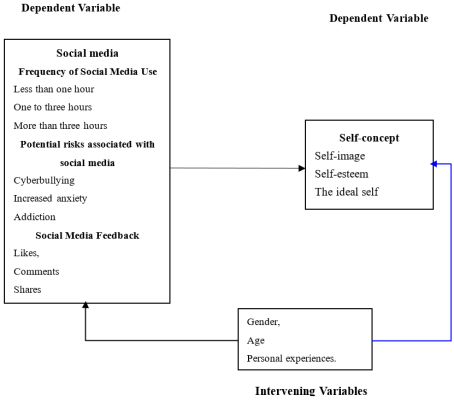
 Copy
 Download